What should be included in leadership training?
Effective leadership training should combine self-awareness, communication, strategic decision-making, conflict resolution, team leadership, ethical judgment, and practical application. For HR leaders, it should also address leading change, influencing stakeholders, developing talent, and building culture. Strong programs use realistic scenarios, facilitated reflection, feedback, and action planning so participants can practice skills and connect learning to current workplace challenges.
What makes a good HR leader?
A good HR leader balances empathy with sound business judgment. They communicate clearly, build trust, use data and context to guide talent decisions, and remain steady during change or conflict. Effective HR leaders also understand organizational strategy, coach managers, champion ethical practices, and create conditions where people can perform and grow. Resilience, curiosity, and the ability to influence across functions are essential.
Who are these HR leadership training courses designed for?
These courses are well suited to HR and L&D professionals, high-potential leaders, team managers, department heads, senior executives, and public-sector leaders. Organizations can use them to prepare emerging HR leaders, strengthen a leadership cohort, recognize high performers, or give established executives new tools for navigating change, communication challenges, and organizational complexity.
Can training be customized for our HR team?
Yes. Private Team Experiences are designed for groups of 8 to 20 participants and can be customized around your organization’s leadership challenges, values, and strategic priorities. Faculty collaborate with your team to shape relevant case studies and exercises. Enterprise Partnerships offer a longer-term, cohort-based approach with customization, executive coaching, and dedicated account support.
What leadership skills do participants develop?
Programs focus on decisive leadership, strategic thinking, communication, teamwork, resilience, moral courage, and problem-solving under pressure. Depending on the course, participants may also develop negotiation, conflict-resolution, alliance-building, emotional intelligence, and crisis-leadership capabilities. Each experience is designed to connect lessons from history with practical frameworks leaders can use in their day-to-day organizational roles.
Are virtual HR leadership training options available?
Yes. Lincoln Leadership Live is a live, interactive virtual program for teams and individuals who cannot attend an in-person experience. Facilitated sessions use historical leadership insights, visual storytelling, discussion, and practical application to create an engaging remote learning environment. The virtual format allows participants to join from different locations while learning together in real time.
How long are the leadership programs?
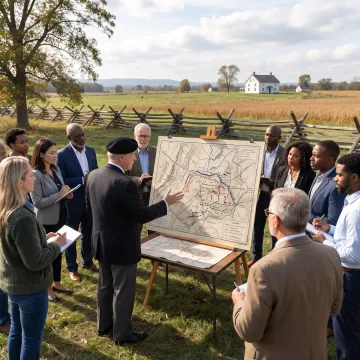
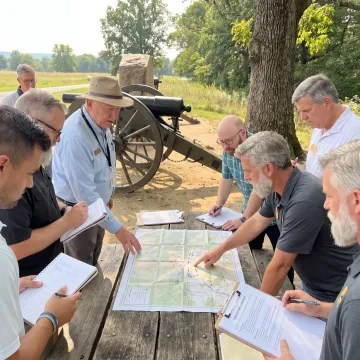
Program length varies by format. The Gettysburg Leadership Journey is a 2.5-day immersive experience, while the Gettysburg and Alamo Leadership Summits are one-day intensives. Pearl Harbor is a three-day program. Virtual offerings and custom programs can be structured around organizational needs, while Enterprise Partnerships are designed as multi-year leadership development engagements.
What is included with an in-person program?
For applicable immersive programs, fees include instruction, materials, accommodations typically covering two nights, meals and refreshments, local battlefield transportation, guest-speaker presentations, individual coaching sessions, and post-program resources. Participants generally arrange their own travel to and from the program location. Exact inclusions can vary by program, so confirm details when selecting your course and dates.