What is a leadership pipeline?
A leadership pipeline is an intentional system for identifying, developing, and advancing people into leadership roles at every level of an organization. It defines the capabilities needed for each transition, provides relevant development experiences, and helps leaders prepare successors. A strong pipeline reduces disruption during promotions, supports retention of high-potential talent, and creates a more reliable bench of leaders ready for greater responsibility.
What is the best leadership training program?
The best leadership training program aligns with your organization’s goals, the participants’ current responsibilities, and the behaviors you need leaders to strengthen. Effective programs combine relevant content, active practice, reflection, and application after the experience. Lincoln Leadership Institute offers private, enterprise, open-enrollment, virtual, and customized formats so organizations can match development to team size, leadership level, scheduling needs, and strategic priorities.
Who should attend a corporate leadership development program?
Programs can support C-suite executives, senior leaders, team managers, high-potential emerging leaders, and HR or learning-and-development professionals. The right participant group depends on the program’s objective: strengthening an intact team, preparing successors, improving cross-functional collaboration, or building a broader leadership bench. Private programs are especially useful when an organization wants colleagues to work directly on shared challenges and priorities.
How are private team experiences customized?
For private team experiences, faculty work with the organization to understand its leadership challenges, values, priorities, and operating environment. They can shape case studies, exercises, and discussion prompts to reflect the participants’ real context. Private programs are designed for groups of 8 to 20 people and can be scheduled flexibly. Program fees include instruction, materials, coaching, accommodations, meals, transportation, speakers, and post-program resources.
What skills do these programs develop?
Leadership programs focus on decisive thinking, strategic judgment, clear communication, trust, teamwork, resilience, moral courage, and adaptability under pressure. Some offerings emphasize specialized capabilities, such as negotiation, crisis leadership, high-performance teamwork, or emotional intelligence. Rather than treating leadership as a set of abstract ideas, facilitated experiences help participants examine choices, consequences, and team dynamics before translating lessons into actions for their own roles.
How long do leadership development programs last?
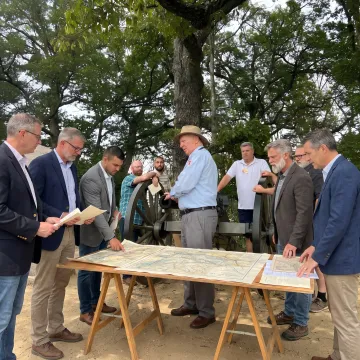
Program length varies by format. The Gettysburg Leadership Journey is a 2.5-day immersive experience, while leadership summits are designed as one-day intensives. The Pearl Harbor Leadership Experience runs for three days, and enterprise partnerships are structured as multi-year engagements. Virtual and customized options can be planned around organizational requirements. The appropriate duration depends on the depth of development, participant availability, and desired organizational impact.
Can remote or distributed teams participate?
Yes. Lincoln Leadership Live is a live, interactive virtual program designed for participants who cannot attend an in-person experience. It uses facilitated historical lessons, discussion, and modern video-conferencing technology to engage leaders across locations. Organizations can also explore customized programs and keynotes for their needs. Virtual delivery is a practical option for distributed teams seeking shared leadership language and relevant development without travel logistics.
Are payment options available for organizations?
Qualified organizations may use Net-30 payment terms, and corporate purchase orders are accepted. Payment plans are available for private team experiences and enterprise partnerships. Open-enrollment groups of three or more participants may qualify for group discounts. Because program formats and customization vary, organizations should discuss their intended participant group, timing, and program goals to determine the most suitable enrollment and payment arrangement.